
Introduction
In today’s digital world, your online reputation can make or break your brand. Whether you are a business owner, influencer, or service provider, people are constantly searching for you online before making decisions. This is where the concept of “what is ORM in digital marketing” becomes extremely important.
ORM, or Online Reputation Management, is not just about handling negative reviews—it is about building trust, credibility, and a strong online presence. In this detailed guide, you will learn everything about ORM, how it works, why it matters, and how you can implement it effectively.
What is ORM in Digital Marketing?
To understand what is ORM in digital marketing, let’s break it down:
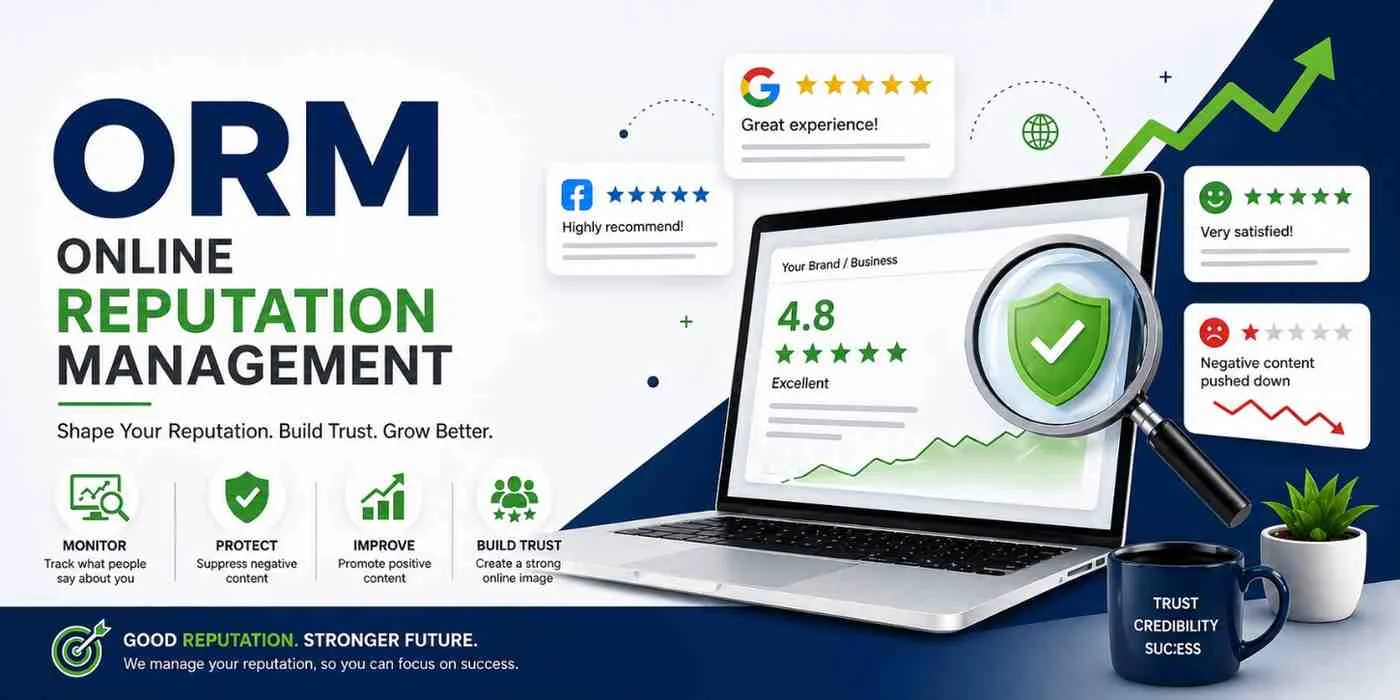
ORM (Online Reputation Management) refers to the process of monitoring, influencing, and improving how your brand or name appears online.
It involves:
- Managing online reviews
- Responding to customer feedback
- Controlling search engine results
- Building a positive brand image
In simple words, ORM ensures that when someone searches for your name or business, they find positive, trustworthy, and relevant information.
Why ORM is Important in Digital Marketing
Understanding what is ORM in digital marketing is incomplete without knowing its importance.
1. Builds Trust and Credibility
People trust online reviews as much as personal recommendations. A positive reputation builds confidence in your brand.
2. Influences Buying Decisions
Before purchasing, users check Google reviews, ratings, and social media feedback. ORM directly impacts conversions.
3. Improves Brand Image
ORM helps create a strong, professional image across digital platforms.
4. Controls Negative Publicity
Negative comments or fake reviews can damage your brand. ORM helps manage and minimize such risks.
5. Boosts SEO Rankings
Positive content, reviews, and engagement signals improve your search engine visibility.
Types of ORM in Digital Marketing

When discussing what is ORM in digital marketing, it is important to understand its types:
1. Reactive ORM
This involves responding to existing issues such as:
- Negative reviews
- Bad press
- Customer complaints
2. Proactive ORM
This focuses on building a strong reputation before problems arise:
- Publishing positive content
- Encouraging customer reviews
- Social media engagement
Key Components of ORM
To fully understand what is ORM in digital marketing, you need to know its core elements:
1. Review Management
- Monitoring Google reviews
- Responding to feedback
- Encouraging happy customers to leave reviews
2. Social Media Monitoring
- Tracking mentions
- Responding to comments
- Handling customer queries
3. Search Engine Reputation
- Managing what appears on Google
- Pushing positive content higher
- Reducing visibility of negative results
4. Content Creation
- Blogs
- Press releases
- Testimonials
5. Crisis Management
- Handling viral negative content
- Addressing public complaints quickly
How ORM Works
If you are still wondering what is ORM in digital marketing, here’s how it works step by step:
Step 1: Monitoring
Track what people are saying about your brand online.
Step 2: Analysis
Understand whether the feedback is positive, negative, or neutral.
Step 3: Strategy Creation
Plan how to improve your online image.
Step 4: Action
- Respond to reviews
- Create positive content
- Engage with audience
Step 5: Continuous Improvement
ORM is not a one-time task. It requires ongoing effort.
Benefits of ORM in Digital Marketing
1. Increased Customer Trust
A strong reputation builds long-term relationships.
2. Higher Conversion Rates
Positive reviews directly impact sales.
3. Better Brand Authority
People prefer brands with a good online presence.
4. Competitive Advantage
ORM helps you stand out from competitors.
5. Crisis Protection
Helps manage and recover from negative publicity.
ORM vs SEO – What’s the Difference?

Many people confuse ORM with SEO while searching what is ORM in digital marketing.
| Feature | ORM | SEO |
|---|---|---|
| Focus | Reputation | Ranking |
| Goal | Positive image | Traffic growth |
| Strategy | Reviews, PR, responses | Keywords, backlinks |
| Outcome | Trust & credibility | Visibility |
Conclusion:
ORM and SEO work together but serve different purposes.
ORM Strategies for 2026
Here are some powerful strategies to master what is ORM in digital marketing:
1. Encourage Positive Reviews
Ask satisfied customers to share feedback.
2. Respond to Every Review
- Thank positive reviewers
- Address negative feedback professionally
3. Create High-Quality Content
Publish blogs, articles, and success stories.
4. Use Social Media Actively
Engage with your audience regularly.
5. Monitor Brand Mentions
Use tools to track what people say about you.
6. Build Personal Branding
Strong personal branding improves reputation.
Common ORM Mistakes to Avoid
While learning what is ORM in digital marketing, avoid these mistakes:
1. Ignoring Negative Reviews
Silence can damage your reputation.
2. Fake Reviews
Google can penalize fake feedback.
3. Delayed Responses
Quick replies show professionalism.
4. Lack of Strategy
Random actions don’t work—plan properly.
5. Not Monitoring Regularly
Reputation can change quickly.
Best Tools for ORM
Here are some popular ORM tools:
- Google Alerts
- Social Mention
- Brand24
- Hootsuite
- ReviewTrackers
These tools help track, analyze, and improve your online reputation.
ORM for Businesses vs Individuals
| For Businesses | For Individuals |
|---|---|
| Focus on customer reviews | Personal branding |
| Manage brand image | LinkedIn optimization |
| Improve service feedback | Google search visibility |
Role of ORM in Different Industries
1. E-commerce
Reviews directly impact sales.
2. Healthcare
Trust and credibility are critical.
3. Real Estate
Clients check reputation before investing.
4. Digital Marketing Agencies
Their own reputation defines their success.
Future of ORM in Digital Marketing
As we move forward, understanding what is ORM in digital marketing becomes even more important due to:
1. AI Monitoring Tools
Automated tools will track reputation in real-time.
2. Voice Search Impact
People will rely more on spoken recommendations.
3. Increased Competition
More businesses = more need for reputation management.
4. Transparency Demand
Customers expect honest and quick responses.
Step-by-Step ORM Plan

Real-Life Example of ORM
Imagine a customer leaves a negative review about your service.
Without ORM:
- You ignore it
- Others see it
- Your reputation drops
With ORM:
- You respond politely
- Offer a solution
- Turn a negative into positive
Conclusion
By now, you should clearly understand what is ORM in digital marketing and why it is essential for success in today’s online world.
ORM is not just about managing negativity—it is about creating a powerful, trustworthy, and influential online presence. Whether you are an individual or a business, investing in ORM can significantly improve your credibility, customer trust, and overall growth.
Final Thoughts
If you want to succeed in digital marketing in 2026 and beyond, you cannot ignore ORM. Start managing your online reputation today, because your brand is what people say about you online.
FAQs
1. What is ORM in digital marketing?
ORM in digital marketing refers to managing and improving a brand’s online reputation through reviews, content, and public interactions.
2. Why is ORM important in digital marketing?
ORM is important because it builds trust, influences customer decisions, and protects your brand from negative online feedback.
3. How does ORM work?
ORM works by monitoring online mentions, responding to feedback, and promoting positive content to improve brand perception.
4. What are the main goals of ORM?
The main goals are to build a positive image, manage negative reviews, and maintain customer trust.
5. Is ORM part of SEO?
ORM is not exactly SEO, but it supports SEO by improving brand visibility and trust signals in search results.
6. What tools are used for ORM?
Popular tools include Google Alerts, Brand24, Hootsuite, and ReviewTrackers.
7. How can I improve my online reputation?
You can improve it by responding to reviews, creating quality content, and engaging with your audience.
8. What is the difference between ORM and PR?
ORM focuses on online reputation, while PR (Public Relations) manages overall brand communication and media presence.
9. How long does ORM take to show results?
ORM is a long-term process, but noticeable improvements can be seen within a few weeks to months.
10. Can ORM remove negative reviews?
ORM cannot always remove negative reviews but can reduce their impact by promoting positive content.
11. What is proactive ORM?
Proactive ORM focuses on building a positive reputation before any negative issue arises.
12. What is reactive ORM?
Reactive ORM deals with responding to negative reviews, complaints, or bad publicity.
13. Who needs ORM services?
Businesses, influencers, professionals, and brands all need ORM to maintain a strong online image.
14. How does ORM affect sales?
Positive reputation increases customer trust, which directly improves conversions and sales.
15. What are ORM strategies?
Common strategies include review management, content creation, social media engagement, and search result optimization.
16. Can small businesses use ORM?
Yes, ORM is essential for small businesses to compete and build credibility online.
17. How often should ORM be done?
ORM should be done regularly as it requires continuous monitoring and updates.
18. What are common ORM mistakes?
Ignoring negative reviews, using fake reviews, and not responding to customers are common mistakes.
19. Is ORM expensive?
ORM can be cost-effective depending on tools and strategies used, and it offers high ROI.
20. What is the future of ORM in digital marketing?
The future includes AI-based monitoring, real-time responses, and increased importance of online reputation.